Homogenised milk is the milk most of us grew up drinking, yet it’s often misunderstood. If you’ve ever noticed that some milk stays perfectly smooth while other bottles form a cream layer on top, homogenisation is the reason why.
At Foulgers Dairy, we supply and deliver homogenised milk to homes and businesses, making it easy to enjoy fresh, consistent milk every day. This guide explains what homogenised milk is, how it’s made, and why so many people choose it as their everyday milk.
What Is Homogenised Milk?
Homogenised milk is milk that has been gently treated so the milk fat stays evenly mixed throughout the liquid. In its natural state, milk fat globules rise to the top, creating a visible cream layer. The homogenisation process breaks these fat globules into much smaller particles so they stay evenly distributed.
This gives homogenised milk its smooth texture, uniform appearance, and familiar taste. You won’t see cream rising to the top, and every pour looks and tastes the same.
Why Milk Is Homogenised
Before milk homogenisation became common, bottles of milk needed shaking before use. Cream rising to the top was normal, but not always convenient.
By breaking milk fat into tiny particles and creating an oil in water emulsion, homogenised milk stays mixed from the first glass to the last. This makes it easier to store, easier to use, and ideal for everyday drinking.
For many consumers, homogenised milk offers consistency without changing what milk naturally is.
How the Homogenisation Process Works
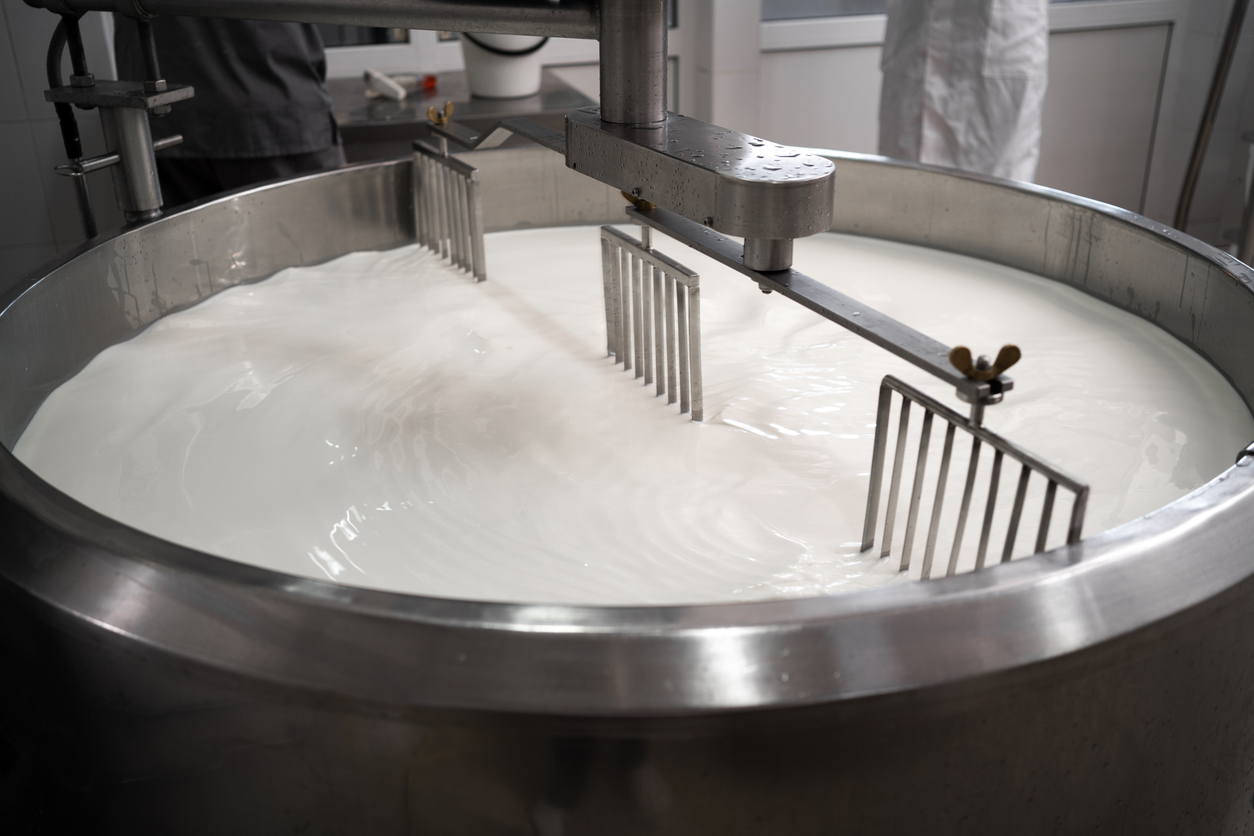
The homogenisation process uses high pressure to gently break milk fat globules into smaller globules. During the first stage, milk passes through very small openings at high velocity and high shear. This causes the fat droplets to break into much smaller particles.
In two stage homogenisation, a second stage follows to ensure the fat droplets are an even, uniform size. The smaller globules have a larger surface area, allowing proteins such as casein micelles to attach and stabilise the milk.
The result is milk with a uniform texture, smooth mouthfeel, and no cream layer forming on top.
Homogenised Milk vs Non Homogenised Milk
The difference between homogenised milk and non homogenised milk is easy to see and taste.
Homogenised milk
- Smaller fat globules
- Uniform texture and colour
- No cream rising
- Smooth, consistent taste
Non homogenised milk (or unhomogenised milk)
- Larger fat globules
- Visible cream layer
- Cream rises naturally
- Needs shaking before drinking
Both types come from cows and can be pasteurised or unpasteurised milk. The choice comes down to preference and how you like your milk to behave.
Is Homogenised Milk Pasteurised?
Most homogenised milk is also pasteurised milk. Pasteurisation uses heat to reduce harmful bacteria and improve shelf life.
It’s important to note that homogenisation and pasteurization are separate processes. Homogenisation changes the structure of the milk fat, while pasteurisation focuses on food safety.
Milk can be pasteurised without being homogenised, and raw milk can be non homogenised, but most milk sold for everyday drinking goes through both processes.
Does Homogenised Milk Change Nutritional Value?
Homogenised milk keeps the same nutritional value as non homogenised milk. The homogenisation process doesn’t remove milk fat, protein, or essential nutrients.
The fat content stays the same, it’s simply broken into smaller particles. Vitamins, minerals, and protein remain unchanged, giving you the same nourishment in a more uniform form.
Taste, Texture, and Everyday Use
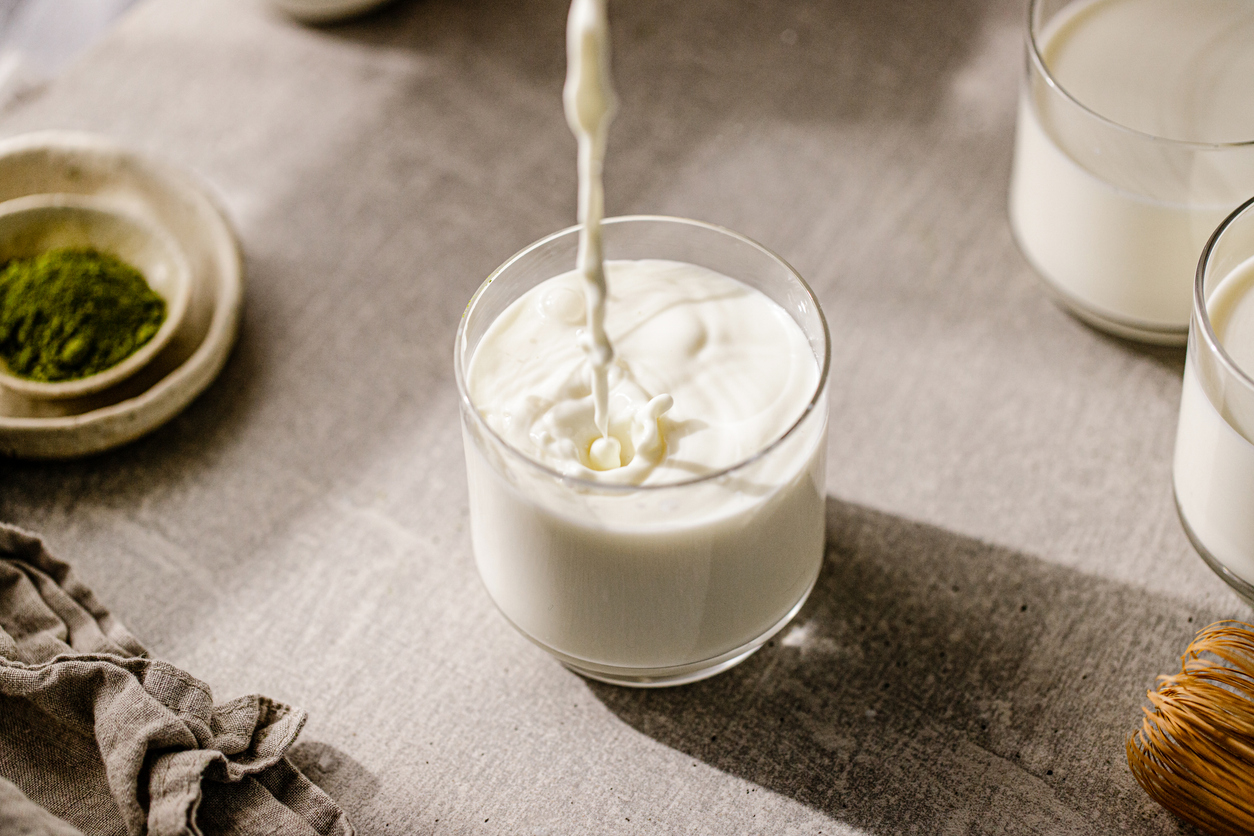
Many people choose homogenised milk for its smooth texture and reliable taste. Because the fat droplets are evenly spread, the milk feels creamy without being heavy.
It works perfectly in tea and coffee, over cereal, in cooking, and simply as a drink. The uniform texture also gives homogenised milk its familiar whiter colour and clean appearance.
Homogenised Milk and Shelf Life
Homogenised milk has a longer shelf life than non homogenised milk because the fat stays evenly mixed and doesn’t separate.
When combined with pasteurisation and proper refrigeration, homogenised milk stays fresh and consistent, making it ideal for busy households and regular delivery.
Homogenised Milk vs Raw Milk
Raw milk is unpasteurised milk that hasn’t been heat treated or homogenised. This means cream rises naturally and the milk looks less uniform.
Homogenised milk is processed to keep the fat evenly mixed, offering a smooth texture and convenience. Both options appeal to different consumers depending on taste, lifestyle, and how the milk will be used.
Why We Supply Homogenised Milk at Foulgers Dairy
At Foulgers Dairy, we supply homogenised milk because it suits most households and businesses. It’s consistent, easy to use, and works beautifully for everyday drinking.
We work with trusted dairy partners and deliver fresh homogenised milk directly to your door, alongside a wide range of dairy products. Our delivery service removes the hassle and keeps your milk supply simple.
Choosing the Right Milk for You
Milk choice is personal. Some people enjoy the traditional cream layer of non homogenised milk, while others prefer the smooth texture and convenience of homogenised milk.
Understanding how milk is processed helps you choose what works best for your taste, digestion, and daily routine.
Buy Homogenised Milk from Foulgers Dairy
If you’re looking for reliable homogenised milk delivery, we’re here to help. At Foulgers Dairy, we supply and deliver homogenised milk alongside a full range of dairy products.
Buy our milk today or contact us for more information about our milk delivery service. We’re always happy to help you choose the milk that’s right for you.