Homogenised milk is the milk many of us grew up drinking, yet the process behind it is often misunderstood. If you have noticed that some milk stays smooth while other bottles develop a cream layer on top, homogenisation is the reason for the difference.
Homogenised milk has been mechanically processed so that the milk fat remains evenly distributed throughout the liquid. This creates the smooth texture and consistent appearance that many people associate with everyday milk.
At Foulgers Dairy, we deliver homogenised milk to homes and businesses across our delivery area. This guide explains how homogenisation works, how it differs from pasteurisation and how homogenised milk compares with other options.
What does homogenised milk mean?
In its natural state, the fat globules in milk gradually rise to the surface and form a layer of cream. Homogenisation breaks these fat globules into much smaller particles so they remain dispersed throughout the milk.
Nothing needs to be added to create this effect. The process changes the size and distribution of the fat globules rather than removing the fat itself.
The result is milk with:
- An even texture
- A consistent appearance
- No separate cream layer
- The same taste from the first pour to the last
Why is milk homogenised?
Before homogenisation became common, bottles of milk often needed to be shaken before use because the cream naturally collected at the top.
Homogenisation keeps the milk evenly mixed. This makes it convenient for drinking, adding to tea or coffee and using in everyday cooking.
Many customers prefer homogenised milk because its texture and appearance remain consistent throughout the bottle.
How does milk homogenisation work?
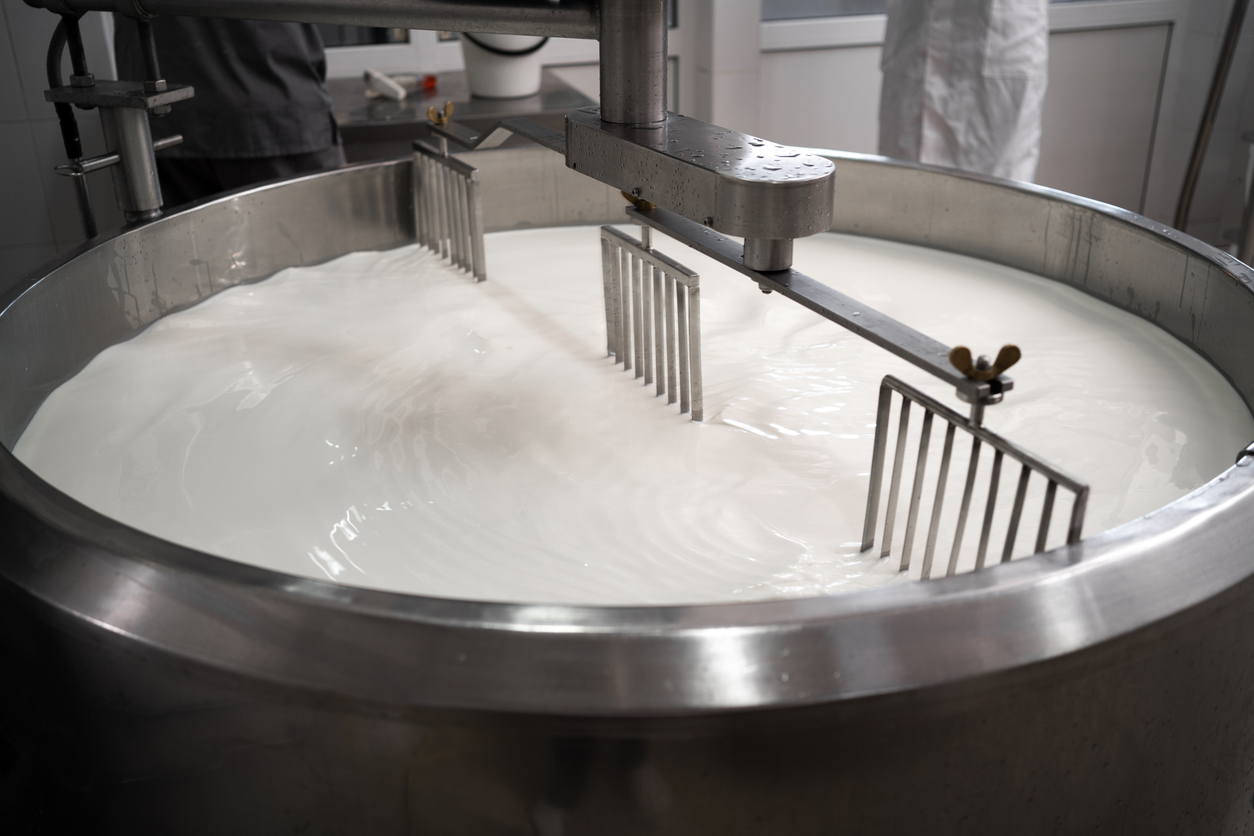
During homogenisation, milk is passed through very small openings under pressure. This breaks the larger fat globules into much smaller ones.
The smaller globules remain suspended throughout the milk rather than rising to the surface. Some commercial systems use a second stage to improve the consistency of the finished milk.
The process creates a stable oil-in-water mixture with a smooth texture and no visible cream layer.
Homogenised milk vs unhomogenised milk
The main difference between homogenised and unhomogenised milk is how the fat is distributed.
| Homogenised milk | Unhomogenised milk |
| Fat remains evenly distributed | Cream naturally rises to the top |
| Smooth and consistent texture | A visible cream layer may form |
| Usually does not need shaking | May need shaking before use |
| Can be pasteurised | Can also be pasteurised |
Both options come from cows and can contain the same percentage of milk fat. The choice often comes down to personal preference and whether you enjoy a consistent texture or a traditional cream-top appearance.
Our guide to the different types of milk available from Foulgers Dairy explains how homogenised milk compares with other dairy and plant-based options.
Is homogenised milk pasteurised?
Homogenisation and pasteurisation are separate processes.
Homogenisation changes the size and distribution of the fat globules. Pasteurisation uses controlled heat to reduce harmful bacteria and improve food safety.
Milk can be pasteurised without being homogenised. However, most everyday milk sold in the UK goes through both processes.
This means that the terms describe different characteristics:
- Homogenised describes how the fat is distributed.
- Pasteurised describes the heat treatment used to improve safety.
Does homogenisation affect nutritional value?
Homogenisation does not remove the milk fat, protein or major nutrients. It simply breaks the fat into smaller globules and spreads it evenly throughout the milk.
The overall fat percentage remains the same. A homogenised whole milk product still contains more fat than semi-skimmed or skimmed milk.
Exact nutritional values vary between products, so customers should check the information provided on the packaging or individual product page.
What does homogenised milk taste like?
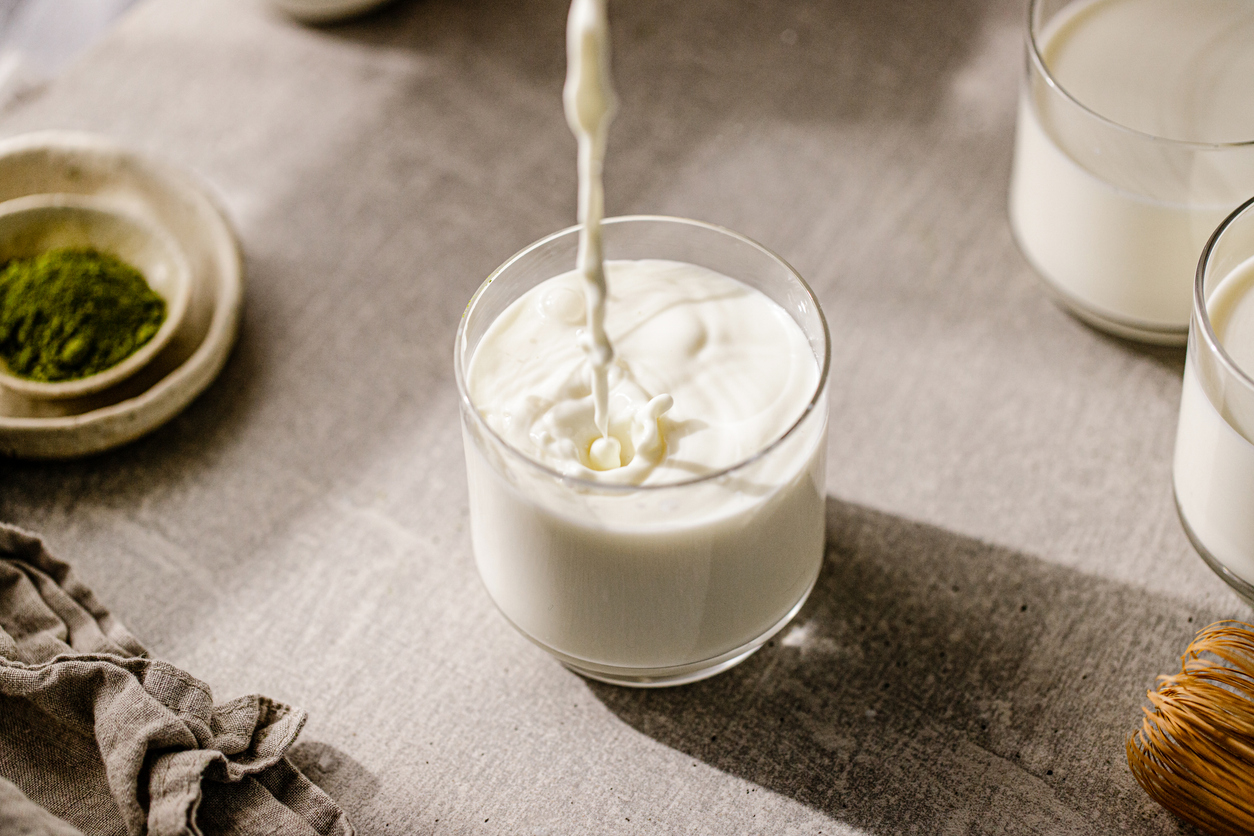
Homogenised milk has a smooth and consistent texture because the fat is evenly distributed.
It can be used in the same ways as other everyday milk, including:
- Tea and coffee
- Breakfast cereal
- Sauces and baking
- Hot and cold drinks
- Everyday cooking
The even distribution of the fat can also give the milk a uniform colour and mouthfeel.
Does homogenised milk last longer?
Homogenisation is mainly used to prevent cream separation. It is not the main process responsible for extending the shelf life of milk.
Shelf life is influenced by factors such as pasteurisation, hygienic handling, packaging and refrigeration. Customers should always follow the storage instructions and use-by date shown on the product.
Homogenisation helps the milk remain visually consistent throughout its usable life, but it should still be kept refrigerated.
What is the difference between homogenised milk and raw milk?
Raw milk has not been pasteurised or heat-treated in the same way as standard drinking milk. It is generally sold unhomogenised, which means the cream may naturally rise to the surface.
Homogenised milk has been processed to keep the fat evenly mixed. It is usually also pasteurised before being sold for everyday use.
The two products offer different tastes and textures. Anyone considering raw milk should read the individual product information and the current Food Standards Agency guidance on raw drinking milk.
Why do we supply homogenised milk?
Homogenised milk is a popular choice for households and businesses because it is consistent, convenient and suitable for a wide range of everyday uses.
We work with trusted dairy suppliers and deliver milk directly to customers across our local delivery area. Homogenised milk can be ordered alongside fresh dairy products, groceries, drinks and other everyday essentials.
Our delivery service helps households and workplaces maintain a regular milk supply without relying on last-minute trips to the supermarket.
Is homogenised milk right for you?
The right milk will depend on your taste and how you plan to use it.
Some customers enjoy the traditional cream layer found in unhomogenised milk. Others prefer the smooth texture and consistent appearance of homogenised milk.
Understanding how the milk has been processed can help you choose an option that suits your household, workplace or daily routine.
Order homogenised milk from Foulgers Dairy
You can order homogenised milk through our online shop or explore our complete range of milk and dairy products.
Use our postcode checker to find out whether we deliver to your address. You can also call our friendly team on 01473 784999 for help with products, local delivery or regular orders.